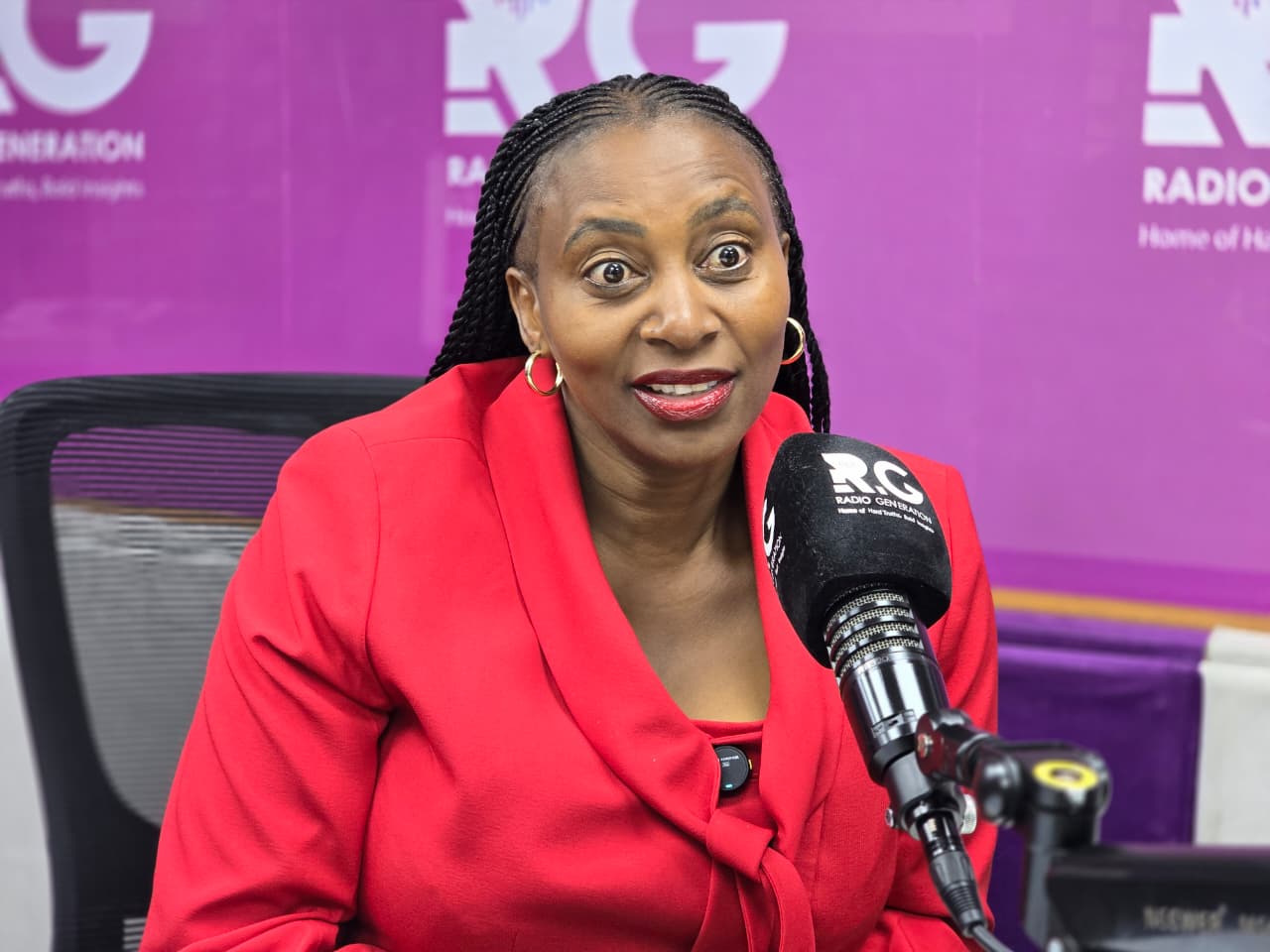
The Ministry of Health is intensifying its disease surveillance efforts to detect and prevent health crises at all levels, Public Health Principal Secretary Mary Muthoni has said.
According to Muthoni, daily data collection allows the ministry to act swiftly and prevent small incidents from escalating into major outbreaks.
“Just like a security system, we get information on a daily basis. This is what happened yesterday. These are the people who had poisoning yesterday, and this is what was taken and the issue is controlled now,” she explained during an interview at Radio Generation on Thursday.
The PS pointed out that the surveillance system does more than track immediate illnesses—it also considers environmental and social signals such as weather patterns and food availability.
“When we also get the signs and systems, the signs around weather, weather, hunger, we also have that from the Ministry of Environment, and we are able to tell at this particular time… we are likely to have water-borne diseases. We are likely to have food borne diseases. We are likely to have destruction of structure,” Muthoni added.
The information collected is used to guide health facilities and county governments in preparing for potential crises.
Facilities are advised to establish structures to manage contagious diseases, while counties receive guidance on how to respond effectively during emergencies.
Going further, PS Muthoni highlighted previous interventions, including training staff at border points during the mpox outbreak.
“We even took our staff at the border point to have combined training between Kenya and Tanzania, because the healthcare workforce comes in handy every other time when there is something that could be coming,” she said.
From ports of entry to local households, surveillance informs preparedness and response strategies, Muthoni explained.
The system now links disease monitoring with environmental and food safety indicators, helping authorities identify potential risks early.
Measures also include monitoring food safety, sanitation, infrastructure, and occupational safety standards.
The ministry also provides essential equipment to handle emerging health threats.
For example, thermal scanners are deployed at border crossings like Malaba to detect travelers with elevated temperatures.
By combining proactive surveillance with practical interventions, the ministry aims to reduce risks and protect the public from avoidable health crises.